Anytype Review (2026): Pricing, Features & Honest Verdict
TLDR
Anytype is an open source, local-first knowledge management tool that puts privacy front and center. Best for: solo creators who want Notion-style organization without handing their data to a cloud company. Free locally, $5/mo for sync. Rating: 7.9/10.
What is Anytype?
Anytype is a knowledge management and note-taking tool built on a local-first, privacy-focused architecture. Instead of storing your data on someone else’s servers, everything lives on your device first. If you choose to sync across devices, all data gets end-to-end encrypted before it leaves your machine.
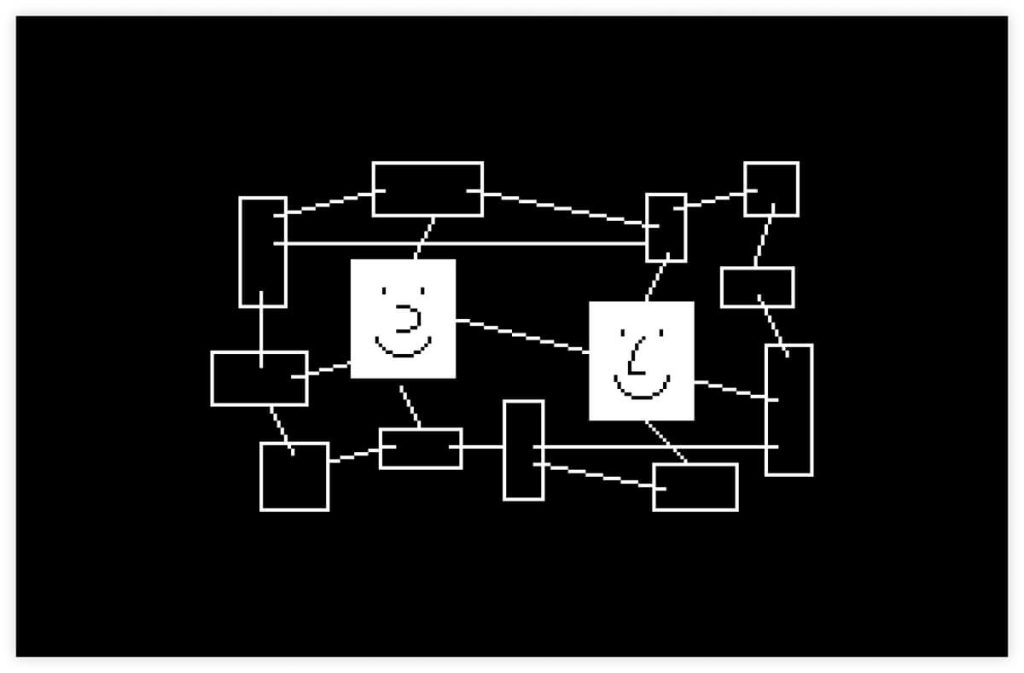
The tool uses an object-based system where everything (notes, tasks, bookmarks, projects) is an “object” with a “type” and connected through “relations.” Think of it like building your own personal database where every piece of information can link to every other piece. It is built by the Any Association, a Swiss nonprofit, and the entire client is open source.
Key Features
Object-Based Architecture
This is what makes Anytype different from most note-taking tools. Instead of pages and folders, you work with objects. A “Book” object has relations like Author, Rating, and Status. A “Project” object links to Task objects and People objects. Once you set up your types and relations, everything connects naturally. It takes some effort to learn, but the payoff is a genuinely flexible system that adapts to how you think.
Local-First Storage
Your data lives on your device. Period. There is no “cloud-first with offline mode” workaround here. The app works fully offline, and sync is an optional add-on. This means if Anytype the company disappeared tomorrow, you would still have all your data and a working app.
End-to-End Encryption
If you enable sync, your data gets encrypted on your device before transmission. Anytype uses a recovery phrase (like a crypto wallet) instead of traditional login credentials. This means even Anytype staff cannot access your information. For people who have been burned by cloud services changing terms or getting breached, this is a real differentiator.
Sets and Collections
Sets are dynamic views of your objects filtered by type or relation. Think of them like database views in Notion, but they pull from your entire graph of objects. You can create a Set that shows all your Tasks due this week, or all Books you rated above 4 stars. Collections are manual groupings. Together they give you both automated and curated ways to organize information.
Self-Hosting
You can run your own Anytype sync node. This means your data never touches any third-party infrastructure, not even Anytype’s encrypted relay servers. For organizations with strict data residency requirements, this is significant.
Pricing Breakdown
Anytype keeps pricing simple. The local version is free with zero feature restrictions. Every feature works offline at no cost. If you want to sync across devices, that is $5/month for 1GB of encrypted backup storage. There is no per-seat pricing, no feature gating, no “contact sales” tier. Compared to Notion’s $10/user/month for teams, the value proposition is clear for solo users.
Where Anytype Falls Short
The learning curve is real. The object/type/relation model is powerful but takes genuine effort to understand. If you just want to write notes in folders, Anytype will feel over-engineered. The mobile apps work but feel less polished than the desktop version. There is no real-time collaboration, which immediately rules it out for team use cases. The plugin ecosystem is thin compared to Obsidian’s hundreds of community plugins or Notion’s integration marketplace.
| Plan | Price | Plan Features | Best For |
|---|---|---|---|
| Free (Local) | $0 | Unlimited local storage, no cloud sync, all features included | Solo users who want full offline control |
| Sync | $5/mo | 1GB backup storage, E2E encrypted sync, cross-device access | Users who need multi-device sync |
Who Should Use Anytype
Anytype is built for people who care about data ownership and privacy but still want a modern, capable knowledge management tool. If you are a solo creator, freelancer, or researcher who builds personal systems for organizing information, and you do not want your data sitting on someone else’s servers, this is probably the best option available right now.
Alternatives
Notion
The category leader with a massive template library, real-time collaboration, and a polished experience. But it is cloud-only, your data lives on their servers, and team pricing adds up fast. Choose Notion if collaboration matters more than privacy.
Obsidian
Another local-first tool, but focused on Markdown files and a plugin ecosystem. Obsidian is better for pure writing and has a larger community. Anytype is better if you want structured data (databases, relations) alongside your notes.
Capacities
A newer object-based note-taking tool with a similar philosophy to Anytype but with a more polished UI. It is cloud-based though, so you lose the privacy and self-hosting advantages that make Anytype unique.
Anytype Pros & Cons
What We Like
- Completely free for local use with no feature restrictions
- End-to-end encrypted with local-first architecture, your data never touches unencrypted servers
- Open source codebase builds real trust and community accountability
- Object-based system with Types and Relations is genuinely powerful once you learn it
- Self-hosted option means zero vendor lock-in
What Could Be Better
- Steep learning curve, the object/type/relation model takes time to internalize
- No real-time collaboration yet, which rules it out for teams
- Mobile apps feel rougher than the desktop experience
- Plugin/integration ecosystem is minimal compared to Notion or Obsidian
Anytype FAQ
Is Anytype really free?
Yes. The local version is completely free with no feature limits. You only pay $5/month if you want encrypted cloud sync across devices.
Can Anytype replace Notion?
For personal use, yes. It covers notes, tasks, databases, and knowledge management. For team collaboration, not yet, since it lacks real-time editing and sharing features.
Is Anytype truly open source?
Yes. The client code is open source on GitHub. The sync relay code is also being opened progressively. You can self-host the entire stack.
How does Anytype handle data privacy?
All data is stored locally first. If you enable sync, everything is end-to-end encrypted before leaving your device. Anytype cannot read your data.
What is Anytype?
Open source, local-first knowledge management tool with E2E encryption. A privacy-focused Notion alternative with object-based architecture and P2P sync.
How much does Anytype cost?
Anytype pricing starts at Free (local) / $5/mo sync. A free plan is available.






